Mobile Top-Off Service

30 minutes to charge. We come to you.

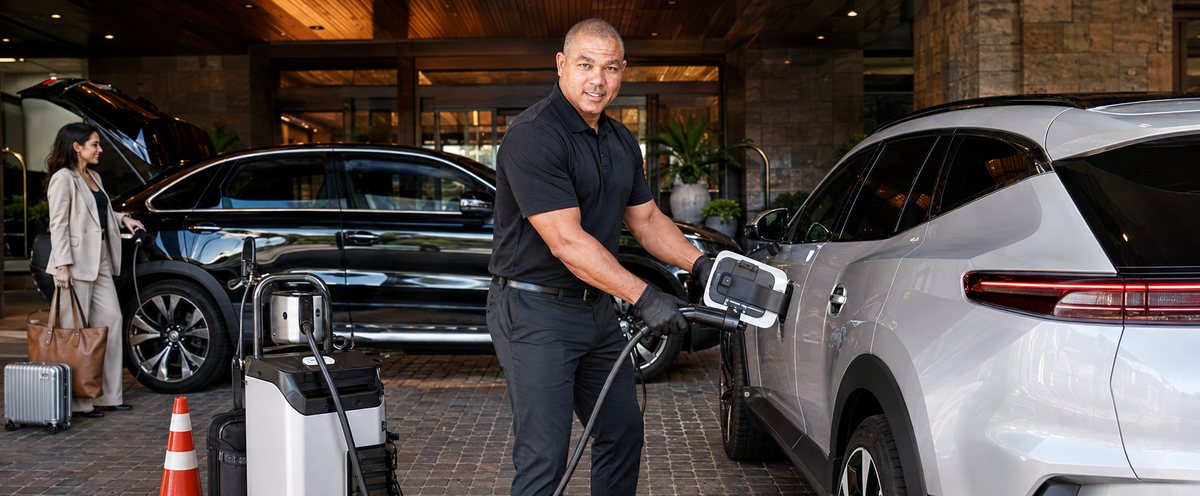
Charge N Out brings EV charging directly to your location. Quick top-off for daily driving, subscription plans, fleet solutions, apartment complex service, and event charging support. No more searching for a charger.

Electric vehicle at a fast charging station
30 min
Average Service
We Come
To You
Fleet &
Residential
Available
24/7

Our Services

From quick top-offs to comprehensive fleet solutions.

30-Minute Mobile Top-Off

Quick charge while you work, shop, or dine. Starts at 10% gain.

Subscription Service

Monthly charging credits. Flexible tiers. Weekly or on-demand.

Fleet Solutions

Scheduled charging for company EV fleets. Optimized routing.

Apartment Complex Service

Charging program for residential buildings. No installation needed.

Event Charging

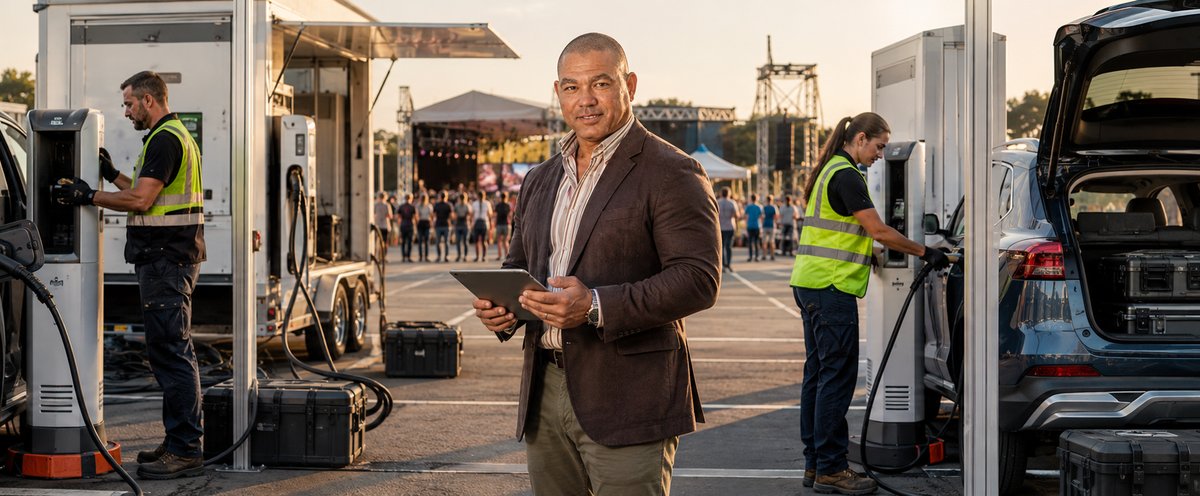
On-site charging for festivals, concerts, and corporate events.

Roadside Assist

Emergency top-off service when you're stranded. Anywhere, anytime.

Charging Infrastructure News

California EV trends, pilot programs, and midnight charging stories.

Educational

NEVI Reboots for 2026: What the $885M Federal Restart Means for Everyday Charging Access

The National Electric Vehicle Infrastructure program spent much of 2025 in limbo after a funding freeze, but the picture changed heading into 2026. A federal court order pushed the Federal Highway Administration to issue new interim guidance and restore funds to states, and the agency has apportioned roughly $885 million for fiscal year 2026 — even as a $500 million reduction to the broader program was signed into law in February.

Just as important as the dollar figure is the new flexibility. Updated guidance lets states run consolidated solicitations, deploy funds beyond designated highway corridors, and — after light-duty corridors are built out — direct money toward medium- and heavy-duty charging and upgrades of existing sites. Roughly nine states have opened or reopened funding rounds, with a dozen more expected to solicit in the first quarter of the year.

For drivers, the takeaway is less about the political back-and-forth and more about pace: the fixed network is still catching up to the vehicles already on the road. That gap between corridor build-out and everyday access is exactly where mobile, come-to-you charging fits — a backstop for the routes and neighborhoods the grid of stations hasn't reached yet.

Sources: U.S. DOE Alternative Fuels Data Center — NEVI Formula Program; ACT News — The United States of NEVI

July 2, 20269 min read
Informative

California Q1 2026: EVs Hold 15.7% of New Sales Even as the Market Cools

State registration data show Californians bought 63,461 new EVs in the first quarter of 2026 — about 15.7% of all new light-duty vehicle sales. That share keeps California well ahead of the national average, but the quarter also cooled: sales were down roughly 37% year-over-year and about 20% from the prior quarter, a reminder that adoption is not a straight line.

The dip arrives as Advanced Clean Cars II tightens. The rule's interim targets step up in 2026, reducing banked compliance credits and raising penalties for automakers that fall short — pressure that keeps EVs coming to dealer lots even in a softer buying environment.

For a mobile service, the signal matters more than the month-to-month noise: the installed base of EVs on California roads keeps growing, and every one of those vehicles occasionally needs a charge in a place a fixed station doesn't reach.

Sources: California Energy Commission — New ZEV Sales; California Air Resources Board — Advanced Clean Cars II

July 6, 20267 min read
Field Notes

The NACS Adapter in the Glovebox: A Field Note on Plug Confusion

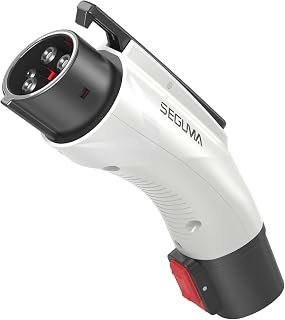
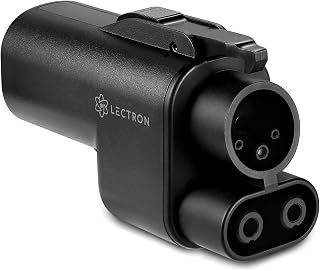
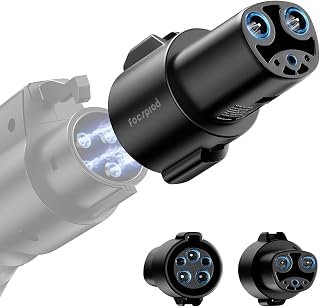
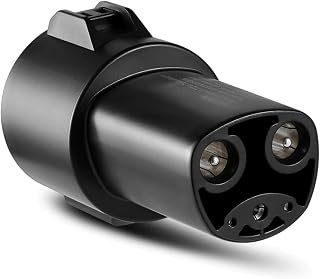
A dispatch last month sent us to a driver who "couldn't get the charger to fit." The car was fine; the connector wasn't. With nearly every major automaker now moving to the North American Charging Standard, and networks like Electrify America and EVgo adding NACS stalls through 2026, the fleet on the road is a mix of NACS-native cars, CCS cars, and everything with an adapter half-forgotten in a glovebox.

On the ground that transition is messy. Federally funded stations still carry CCS, most new hardware runs dual-cable, and a driver who bought an adapter a year ago doesn't always remember which port their loaner rental uses. The standard is converging, but the real world is still bilingual.

We carry both. The point of a come-to-you charge isn't just electrons — it's meeting the driver wherever they and their particular plug happen to be, at the hour the station down the road decided to be offline.

Sources: electrive — Electrify America expands NACS pilot; U.S. DOE Alternative Fuels Data Center — Station Locator

July 8, 20264 min read

Need a Charge?

Call or email for immediate dispatch. We're available 24/7 across California.

2026 Industry Update

Where mobile and public EV charging stand at the 2026 mid-year mark — verified figures from national sources.

250,000+ public ports

The US public charging network passed 250,000 ports in 2026 — 250,406 hookups across 80,543 stations, including 73,000+ DC fast chargers (US DOE Alternative Fuels Data Center, 2026).

NEVI network reboots

The $5B federal NEVI program restarted in 2026 after updated guidance; as of April 2026 roughly 550 NEVI-funded fast-charging points were operational across 19 states, with 42 states' FY2026 plans approved (GreenCars / ACT News, 2026).

EV share near 6%

EVs were about 5.8% of new US vehicle sales in Q1 2026, with plug-ins reaching 7.1% of monthly sales by May 2026 as the market stabilized (Cox Automotive, 2026).

$10 · PDF Guide

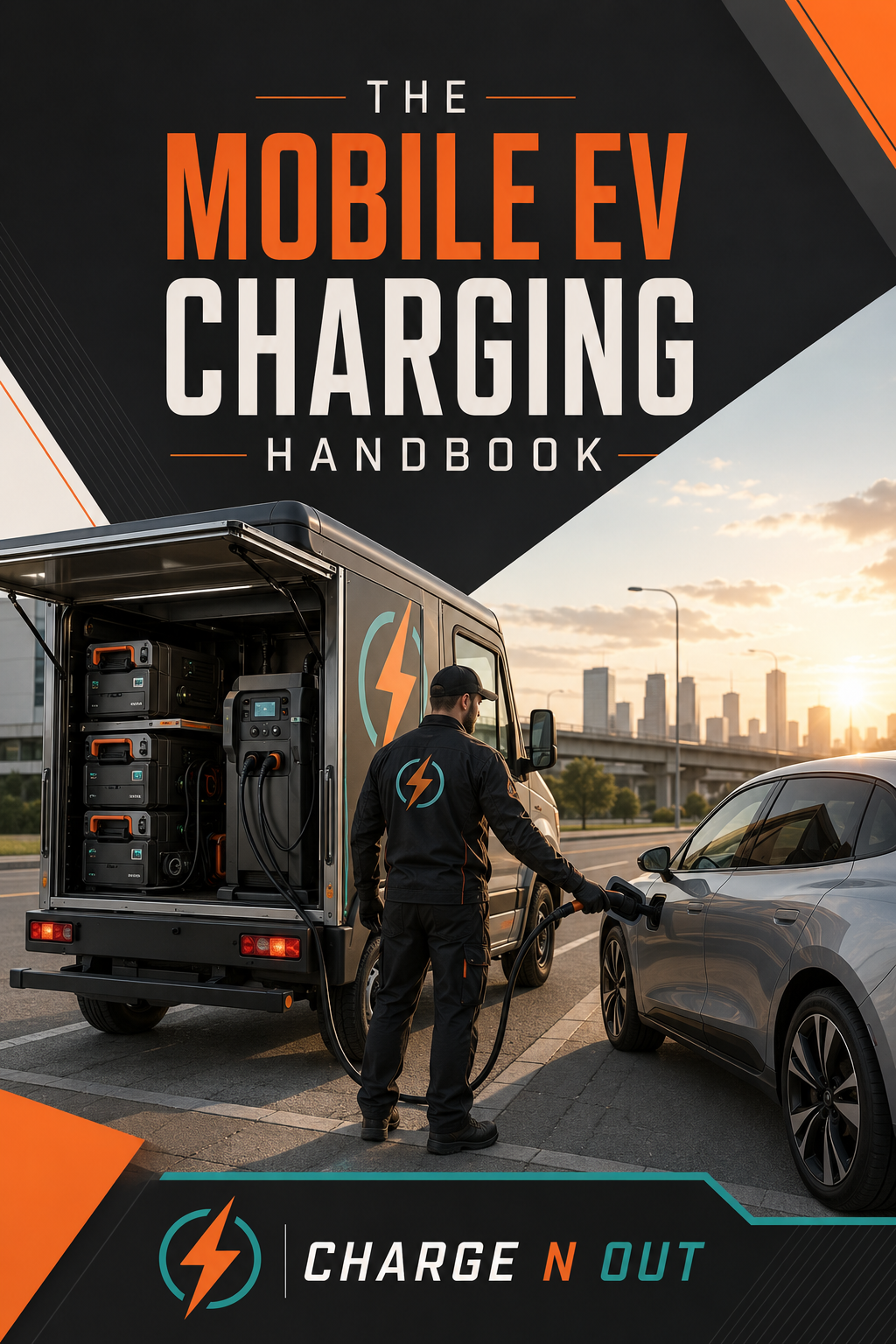
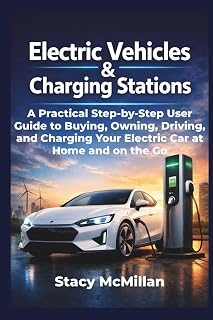
The Mobile EV Charging Handbook

Get our illustrated guide — practical, current, and written for 2026.

The Mobile EV Charging Handbook — eBook cover Get the eBook — $10
Why Work With Us

The Charge N Out difference

We combine real expertise with genuine care — and we make it easy to say yes. Here is what you can expect when you work with Charge N Out.

Why work with us

We come to you

On-demand mobile EV charging at home, work, or the curb — skip the public-station wait entirely.

Any EV, anytime

All major makes and connectors supported, with flexible scheduling that fits your day.

Transparent and fair

Clear pricing and reliable service — no surprises, no runaround.

Time is the luxury

Get your hours back while we handle the charge. Convenience, delivered.

FAQ

Frequently Asked Questions

How does mobile EV charging work?
We come to you — home, office, or curbside — and charge your electric vehicle on demand, so you skip the public-station wait.
Which vehicles do you support?
All major EV makes and standard connectors. Tell us your model when you book and we'll bring the right equipment.
What areas do you serve?
We operate throughout our local service area; contact us to confirm coverage at your address.
How do I book a charge?
Request a charge by email at info@chargenout.com or call (424) 204-2382.
Shop

Recommended on Amazon

As an Amazon Associate we earn from qualifying purchases. Prices and availability are subject to change.

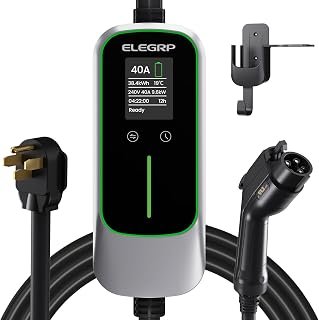
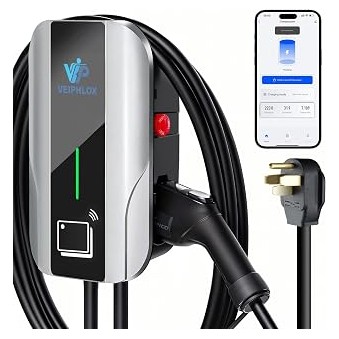
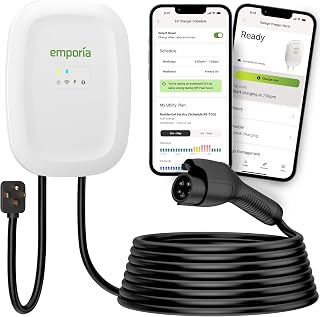
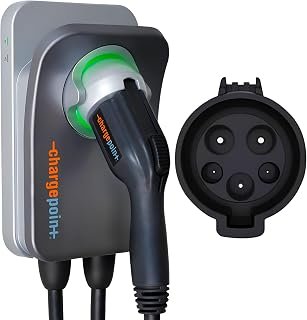
Level 2 EV Charger, 40 Amp 240V, J1772, WiFi
$230.99
View on Amazon →
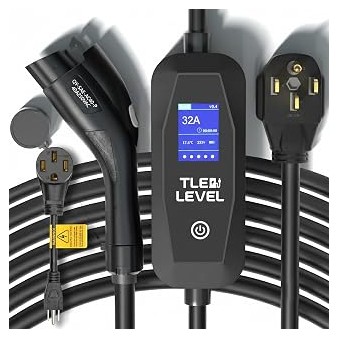
Portable Level 2 EV Charger 40A 9.6kW, NEMA 14-50
$179.99
View on Amazon →
Level 2 EV Charger 32A, WiFi App, 25ft Cable, ETL
$189.99
View on Amazon →
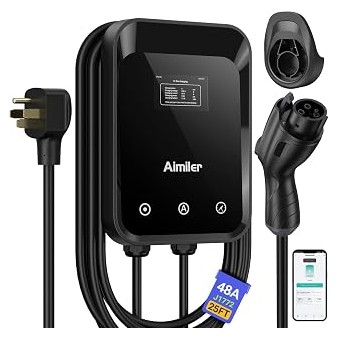
Level 2 EV Charger 48A/11.5kW, ETL Certified Station
$259.99
View on Amazon →
Level 2 EV Charger 48A/11.5kW, J1772 Dual Temp
$351.49
View on Amazon →
Enphase IQ EV Charger 2 — 40A Smart Level 2, WiFi
$999.00
View on Amazon →

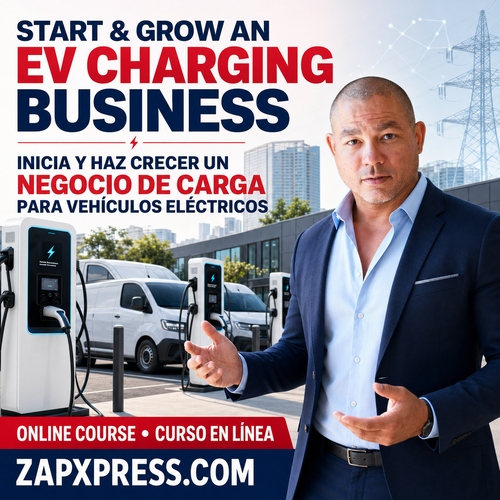
Thinking about the EV charging business?

Take a quick, cited quiz — then explore the full course.

ZapXpress

Test Your Knowledge: EV Charging Business

9 quick questions on the EV charging business. Every answer is explained and sourced.

Practice questions from ZapXpress EV charging business course. For educational use; verify current codes and incentive programs with official sources.